Adults Have Forgotten How to Ask for Friendship, So We Invented a Secret Language Instead
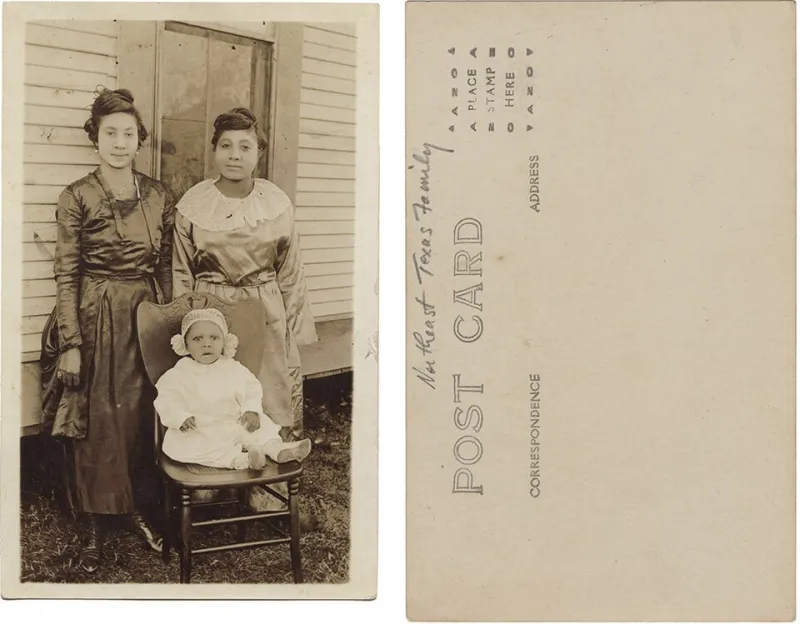
Photo: SMU Central University Libraries, No restrictions, via Wikimedia Commons
Kids have it so good. 'Do you want to be my friend?' is a completely acceptable question when you're seven. You ask it on the playground, you get a yes or no, and you're trading snacks by Friday.
Somewhere between childhood and adulthood, that question became unspeakable. Ask a grown adult 'let's be friends' out loud and watch them short-circuit like you've proposed marriage. So instead, we've developed an elaborate courtship ritual that nobody officially designed and everybody obeys: the soft launch of friendship.
You Know the Moves
The meme sent at 2 p.m. with no caption — 'this made me think of you' energy, without the vulnerability of actually saying that. The lingering after class or after the meeting, stretching a five-second goodbye into ten minutes because ending the conversation feels like admitting you wanted it. The 'we should hang out sometime!' that everyone understands is a placeholder, not a plan. The group chat invite, which lets you get close to someone under the camouflage of five other people.
Every one of these is a probe. A low-stakes signal fired across the water: I might like you platonically. Please respond favorably before I risk anything. It's dating app behavior, except there's no app and no way to swipe.
How We Got Here
Here's the thing — the awkwardness isn't a personal failing. It's structural. Childhood hands you friendship infrastructure for free: a classroom of same-aged peers, a recess block, a neighborhood full of bikes. You didn't have to ask for friendship; you were marinated in it until it happened.
Adulthood removes every one of those structures. No assigned seating. No daily repetition. No adult equivalent of 'want to come over?' And because we lose the rituals but never get replacements, we're all improvising — using dating culture's tools (the slow reveal, the soft launch, reading way too much into response times) for a relationship type those tools were never built for.
There's also a fear component that kids don't have. Adults have been burned. We know what rejection feels like, and platonic rejection has no script — at least a date rejection comes with cultural packaging. Telling someone you'd like to be their friend and getting a polite shrug? Devastating in a way nobody prepared us for.
The Cost of All This Subtext
The soft launch works sometimes. But it has a brutal failure mode: two people, both interested in friendship, both sending signals, both waiting for the other to escalate. Everyone lingers after class. Everyone sends the memes. Nobody says the thing. Six months later you're 'friendly acquaintances' who could've been close friends if one of you had just — said — something.
Multiply that across a life and you get the quiet epidemic everyone keeps writing about: adults who are surrounded by people they like and starving for actual closeness. The subtext economy is efficient at avoiding embarrassment and terrible at producing friendship.
Bring Back the Rituals
We can't reinstall recess. But we can consciously rebuild the pieces of childhood friendship infrastructure that actually did the work:
The standing hangout. Kids didn't schedule friendship; they had recurring time slots. Adults need the same thing — the first Thursday of the month, the weekly walk, the standing Sunday call. Repetition is what turns acquaintances into friends, and a ritual removes the need for the dreaded 'we should hang out sometime.'
The direct ask, upgraded. We can borrow a move from the dating world that actually translates: be explicit, early, and light. 'I really like talking to you — want to grab coffee sometime, just us?' is the adult version of 'want to be my friend?' and it works shockingly well. Most people are flattered. Almost nobody thinks it's weird.
The low-stakes invitation. Kids say 'come over' without a plan. Adults think they need a dinner party. They don't. 'I'm running errands Saturday, come with me' or 'I'm making chili, come eat some' gives people an easy yes.
The follow-through rule. Childhood friendship worked because you saw each other the next day, no matter what. Adults can't promise that, but we can promise the next step: end every good conversation with a concrete one. Not 'sometime' — a day, a plan, a place.
Say the Quiet Part
Nobody wants to go back to playground directness, and honestly, a little mystery is fun. But there's a wide gap between 'never say anything' and 'propose friendship like a legal contract.' One honest sentence — 'I'd love to actually hang out sometime' — can short-circuit months of mutual memeing into an actual friendship.
The soft launch was never the goal. It was the best we could do without the words. Use the words.